
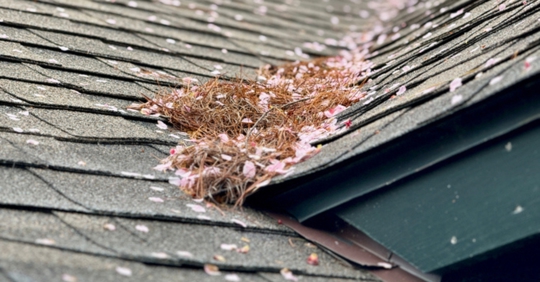
Small pieces of debris may not be a serious roofing concern. Leaves, twigs, acorns, pine needles, and other debris can accumulate on a roof throughout the fall, especially during windy weather in Tulsa. While a few leaves may not cause immediate damage, repeated buildup can create problems that become more noticeable as winter approaches.
If you notice damaged roofing materials, water stains, or debris that has exposed an area of concern, contact our team at (918) 393-4682 to discuss your options with .
How Small Debris Affects Your Roof
Different roofing materials respond to debris differently. The amount of damage also depends on how long debris remains in place, whether moisture becomes trapped underneath it, and how much wind your roof experiences.
Common types of small debris include:
- Leaves and pine needles
- Small branches and twigs
- Acorns and other falling tree debris
- Dirt and organic material
Debris can hold moisture against roofing materials, block drainage paths, or hide small areas of damage. It can also make it harder to notice problems until they become more obvious.
Asphalt Shingles
Asphalt shingles are common on residential homes and can generally handle normal outdoor conditions. However, debris left on the roof can cause problems over time.
Leaves and other organic material can trap moisture against shingles. Small branches may also scrape the surface when moved by wind, potentially wearing away the protective granules.
Homeowners should pay particular attention to:
- Shingles that appear cracked, lifted, or damaged
- Areas where granules have collected in gutters
- Debris that remains trapped between roof features
- Dark or damp areas that do not dry normally
Carefully removing debris and checking for visible damage can help homeowners identify issues before winter weather arrives.
Metal Roofing
Metal roofs are known for their durability, but that does not mean they are immune to debris-related problems. Small branches and other objects can scratch or dent exposed metal surfaces when strong winds move them.
Debris can also collect around roof edges, valleys, vents, and other areas where water needs to drain.
Look for:
- Dents or visible impact marks
- Scratches or damaged surface coatings
- Debris is collecting around seams or roof penetrations
- Areas where water appears to remain after rainfall
If you are concerned about damage, a professional inspection can help determine whether the roofing system needs attention.
Wood Shakes
Wood shakes require particular attention when debris collects on the roof. Leaves and pine needles can hold moisture against the wood, which may contribute to deterioration over time.
Small debris can also hide cracked, split, or damaged shakes. This makes routine visual checks especially useful during the fall.
Homeowners should watch for shakes that appear:
- Split or cracked
- Warped
- Discolored
- Soft or deteriorated
Because walking on roofing materials can cause additional damage or create a safety risk, homeowners should avoid climbing onto the roof to investigate these conditions themselves.
Tile Roofing
Tile roofing can withstand many outdoor conditions, but individual tiles can still crack or break. Small branches or other falling debris can cause impact damage, while accumulated organic material can collect around the spaces between tiles.
Pay attention to visible cracks, broken tiles, or areas where debris repeatedly accumulates.
A damaged tile may not always result in an obvious leak right away. That is why it is useful to address visible concerns before repeated rain, wind, and freezing temperatures put additional stress on the roofing system.
Flat Roofing Systems
Flat and low-slope roofing systems can be particularly sensitive to debris buildup because drainage is an important part of their performance.
Leaves and small debris can collect around drains and other drainage points. If water cannot move away properly, standing water may remain on the roof for longer periods.
After heavy fall weather, watch for:
- Debris is collecting near drains or other drainage areas.
- Pooled water that remains after rainfall.
- Visible damage, punctures, or changes in the roofing surface.
These concerns are worth having evaluated by a roofing professional rather than attempting repairs yourself.
Why Fall Cleanup Matters Before Winter
Tulsa homes can experience windy fall conditions that move small debris across roofing surfaces. As temperatures drop, homeowners also have fewer opportunities to address problems comfortably before winter weather arrives.
A fall roof check can help identify debris buildup and visible damage before colder conditions make roofing problems harder to address.
If you find concerns that go beyond simple debris removal, roof repair services can help address issues such as damaged shingles, flashing concerns, cracks, and leaks.
Keep Small Debris From Becoming a Bigger Concern
Small debris does not automatically mean your roof is damaged. However, repeated buildup can hide problems, retain moisture, interfere with drainage, or contribute to wear on certain roofing materials.
Before winter, take a few minutes to look at your roof from the ground and check your gutters for excessive leaves and other debris. If you notice visible damage or signs of a possible leak, it is better to have the condition evaluated rather than assume it will resolve on its own.
For Tulsa homeowners who need help evaluating roofing concerns, contact roofing professionals at Tier-One Roofing at (918) 393-4682 to discuss the condition of your roof and determine the next appropriate step.