
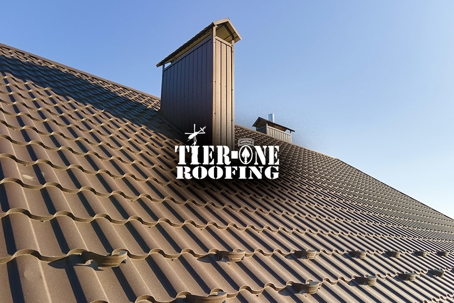
How Roof Design Impacts Home Insurance Rates in Oklahoma
Every homeowner in Oklahoma knows that home insurance is expensive — and it’s not getting cheaper. With severe storms, hail damage, and tornadoes striking the state year after year, insurers have raised premiums across the board. But what many homeowners don’t realize is that your roof design might be the biggest factor behind those rising costs.
Insurers don’t just look at where you live or how much your home is worth. They study the materials, slope, structure, and even age of your roof to determine how risky your property is to insure. Two houses on the same street can have drastically different premiums simply because of how their roofs were built.
That means the way your roof is designed could be saving you hundreds — or costing you thousands — every single year.
At Tier-One Roofing, we’ve spent over a decade helping Oklahoma homeowners lower insurance costs by building smarter, stronger, and safer roof systems. We understand how roof design influences risk, how insurers calculate premiums, and what practical steps homeowners can take to protect both their property and their wallet.
This isn’t theory — it’s experience, backed by real data and hundreds of roof inspections across the state.
Why Insurance Companies Care About Roof Design
For insurers, your roof is more than just part of your home — it’s the most expensive and vulnerable component when severe weather hits. National statistics show that over 35% of home insurance claims are roof-related. In Oklahoma, that number climbs even higher due to wind, hail, and storm damage.
Insurers know one thing for sure: the stronger and more resilient your roof design is, the less likely they’ll have to pay a large claim. That’s why they reward certain designs and materials with discounts — and penalize others with higher rates.
Roof design influences insurance in three major ways:
Structural resistance: How well the roof can withstand wind uplift, hail impact, and debris.
Fire and water protection: The materials’ resistance to fire, moisture, and rot.
Repair and replacement cost: The complexity and accessibility of the roof during restoration.
Tier-One Roofing helps homeowners balance beauty, function, and durability — ensuring every new roof not only looks great but also checks all the boxes for insurer approval and lower premiums.
The Roof Shape Factor: How Geometry Affects Risk
The shape of your roof isn’t just an architectural choice — it’s an insurance indicator. Certain roof styles perform far better in Oklahoma’s high-wind conditions than others.
1. Hip Roofs — The Insurance Favorite
Hip roofs have four sloping sides that meet at a ridge or peak. Their aerodynamic shape helps them shed wind and resist uplift. Insurance companies love them because:
Wind flows smoothly over the surface.
There are no large flat sides for gusts to grab.
They’re structurally stable under pressure.
In Oklahoma, homes with hip roofs can qualify for insurance discounts of up to 20% compared to gable designs.
Tier-One Roofing builds and reinforces hip-style roofs with high-wind nailing patterns, sealed decking, and fortified ridge caps — maximizing both performance and insurer favorability.
2. Gable Roofs — Common But Riskier
Gable roofs are the most common in Oklahoma, featuring two sloping sides that meet at a central ridge. They’re simple and cost-effective, but that triangular shape catches wind like a sail.
High gusts can peel back shingles or even collapse weak end walls. Without proper bracing, gable ends become pressure points during storms.
Tier-One Roofing upgrades gable designs using wind-resistant fasteners, impact-rated shingles, and fortified end-wall connections — turning a potential liability into a durable asset.
3. Flat Roofs — High Maintenance, Higher Premiums
Flat or low-slope roofs are common on commercial buildings and modern homes, but they pose challenges for insurers because:
Water drainage is slower, increasing leak risk.
Membranes are more prone to punctures and pooling.
Repairs require specialized labor.
For Oklahoma’s climate, Tier-One Roofing often recommends modified bitumen or TPO membranes with reflective coatings, designed to handle both heat and heavy rain without blistering or cracking.
4. Complex Roofs — Beautiful but Expensive to Insure
Multiple peaks, valleys, and dormers may enhance curb appeal, but they complicate drainage, increase flashing points, and raise replacement costs. More surface area means more potential leak zones.
We help homeowners balance design ambition with practical reality — using advanced layout modeling to maintain beauty without sacrificing function or insurance value.
The Pitch Problem: How Slope Affects Premiums
The steepness (or pitch) of your roof directly affects your risk profile.
Low-pitch roofs (under 4/12) often trap water and debris, raising the likelihood of leaks.
Moderate-pitch roofs (4/12 to 8/12) are ideal for Oklahoma’s weather balance, shedding water efficiently while staying structurally stable.
Steep roofs (above 8/12) can resist leaks but are more dangerous to work on — leading to higher labor costs and thus higher insurance claims when damaged.
Tier-One Roofing designs every roof to achieve the right slope for performance and affordability, factoring in both wind exposure and drainage dynamics.
The Material Factor: What You Choose Determines What You Pay
Not all roofing materials are treated equally by insurers. In Oklahoma, hail, wind, and UV exposure make material choice critical.
Here’s how the most common types stack up in terms of cost, performance, and insurance perception:
Asphalt shingles: Affordable and widely used, but highly variable in quality. Basic shingles often lead to higher premiums due to hail vulnerability. Tier-One installs Class 4 impact-rated shingles that qualify for discounts of up to 25% with many carriers.
Metal roofing: Highly durable, fire-resistant, and wind-rated — often rewarded with premium reductions. Its lifespan offsets the higher upfront cost.
Tile and slate: Excellent for longevity but costly to repair or replace. Insurers often raise premiums due to material weight and installation complexity.
Wood shakes: Visually appealing but risky — flammable, weather-sensitive, and hard to insure affordably in Oklahoma.
We guide homeowners through the tradeoffs — ensuring you choose a roof that maximizes both protection and financial return.
The Fortified Roofing Standard: Built for Safety and Savings
Fortified Roofing — a national standard developed by the Insurance Institute for Business & Home Safety (IBHS) — is changing how insurers view roof risk.
A Fortified-certified roof includes:
Sealed roof decking to prevent water intrusion.
Ring-shank nails for superior wind resistance.
Reinforced edges to reduce shingle blow-off.
Impact-resistant materials tested for hail and debris.
Homes with Fortified roofs qualify for lower premiums, extended coverage, and faster claims approval in Oklahoma.
Tier-One Roofing is among the few contractors in the state certified to install Fortified systems. We’ve helped dozens of homeowners lower annual insurance costs while gaining long-term peace of mind.
The Age and Maintenance Penalty
Even the best roof design loses insurance value over time. Most carriers start reducing coverage after 10–15 years, regardless of condition. Once a roof passes 20 years, some insurers refuse coverage entirely.
But here’s the good news: proper maintenance extends both lifespan and insurability.
Tier-One Roofing’s maintenance plans include:
Biannual inspections before and after storm season.
Immediate repair of loose shingles or flashing.
Gutter cleaning and water flow testing.
Documentation for insurance renewal or resale.
This documentation isn’t just helpful — it’s proof for your insurer that your roof remains a low-risk asset.
How Roof Design Influences Claims
When a storm hits, your roof’s design dictates whether damage stays minor or catastrophic. Insurers know this.
Hip roofs deflect wind and shed debris faster, reducing claims.
Gable roofs collect debris and pressure on corners, increasing claims.
Steep roofs resist standing water but cause more collateral damage when materials blow off.
Complex designs multiply labor and material costs during restoration.
Tier-One Roofing’s engineering approach minimizes these risks before they ever reach your insurer’s desk.
Hidden Insurance Discounts Most Homeowners Miss
You might be paying full price for insurance coverage when you don’t have to. Oklahoma carriers offer little-known discounts for:
Class 4 impact-rated roofing systems.
Fortified certification.
Modernized roof ventilation (reduces heat-related deterioration).
Continuous underlayment or sealed deck installation.
Licensed, certified contractor documentation.
Tier-One Roofing ensures every eligible discount is properly recorded and reported — turning your roofing investment into measurable savings.
When a Roof Design Hurts Home Value
Insurance rates aren’t the only thing affected by poor design. Roof performance directly influences resale value.
Buyers today ask specific questions:
What’s the roof’s age?
What materials were used?
Is it Fortified or impact-rated?
How much are insurance premiums in this area?
A poorly designed or aging roof can reduce buyer interest, trigger inspection concerns, and lower your asking price.
A Tier-One Roofing system does the opposite. It boosts curb appeal, strengthens structural value, and makes buyers — and insurers — confident in your property.
What Builders and Remodelers Should Know
For builders, roof design decisions made today will affect future clients for decades. Too many homes are still being built with low-cost, high-risk roofing layouts.
Tier-One Roofing partners with builders and remodelers to integrate:
Wind-resistant roof geometry from day one.
Proper attic ventilation design.
Certified material installation.
Documentation that adds insurance and resale value.
Smart builders know that quality roofing sells homes faster — and protects their reputation long after construction ends.
The Future of Insurance and Roofing in Oklahoma
Insurance trends are shifting fast. As hail events and wind claims continue to rise, many carriers are tightening coverage requirements. Some are already refusing policies for homes with outdated roofs or high-risk designs.
In the next five years, expect to see:
Mandatory inspections before policy renewals.
Bigger discounts for Fortified certification.
Higher surcharges for older or low-rated materials.
Stricter documentation standards for claims.
Tier-One Roofing is already adapting to this future — guiding homeowners through the changes, upgrading vulnerable roofs, and providing the records insurers demand.
The Human Cost of Roof Design Mistakes
We’ve sat in living rooms with families whose insurance claims were denied because of roof geometry they didn’t even know was risky. We’ve helped single parents replace entire roofs after storms when their policies only covered half the cost.
These aren’t numbers on a spreadsheet — they’re real people with real stress.
That’s why Tier-One Roofing takes every project personally. When we design or replace a roof, we’re not just building for storms. We’re building for peace of mind, stability, and fairness in an insurance landscape that doesn’t always feel fair.
Protecting What Matters
If you’re unsure whether your roof is helping or hurting your insurance rate, now is the time to act.
Call Tier-One Roofing today to schedule a complete roof and insurance-readiness inspection. We’ll evaluate your roof’s shape, slope, materials, and documentation — then create a clear plan to strengthen your protection and lower your costs.
Because at the end of the day, a roof isn’t just shingles and nails. It’s your home’s first line of defense — and your best chance at keeping insurance affordable.
With Tier-One Roofing, you get more than a contractor. You get a partner committed to your safety, your savings, and your peace of mind.