
How Oklahoma’s Heat Affects Your Roof (and What to Do About It)
Oklahoma weather doesn’t take it easy on anyone. Every summer, we face triple-digit days, weeks without rain, and relentless sun that seems to sit just a few feet above our heads. While most homeowners think about staying cool inside, few realize what that same heat is doing to their roof — the one part of your home that never gets a break.
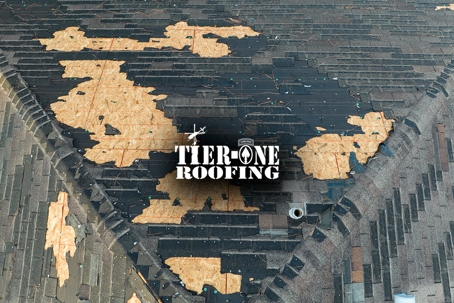
It’s not the occasional hot day that causes problems. It’s the long, grinding combination of heat, sunlight, and humidity that slowly eats away at a roof’s materials. Over time, shingles curl, adhesives fail, ventilation systems break down, and attic temperatures soar high enough to cook insulation.
At Tier-One Roofing, we see the effects every single year. We’ve replaced roofs that literally baked from the inside out. We’ve seen new shingles deteriorate in half their expected lifespan because of poor ventilation or cheap materials. And we’ve helped families lower their energy bills and extend roof life by simply understanding how Oklahoma’s heat really works.
This isn’t about fear — it’s about facts. If you live in Oklahoma, you need to know how heat attacks your roof and what you can do to fight back.
The Science of Heat and Roofing
Heat doesn’t just sit on top of your roof — it penetrates it. When sunlight hits roofing materials, ultraviolet (UV) rays break down the chemical bonds that hold them together. Asphalt shingles become brittle, granules loosen, and sealants lose flexibility.
Meanwhile, the surface temperature of your roof can climb to 150–190°F on a 100-degree day. That heat doesn’t stay outside. It radiates downward into the decking, insulation, and attic. If your roof isn’t properly ventilated, attic temperatures can reach 140°F or higher, cooking the materials from underneath and forcing your HVAC system to work overtime.
This creates a domino effect:
Shingles crack and warp.
Nails back out.
Sealants fail.
Roof decks expand and contract, loosening connections.
Energy bills climb because of trapped heat.
Tier-One Roofing helps homeowners break that cycle by designing roof systems built for Oklahoma’s extreme climate — not just code minimums.
The Hidden Dangers of Heat on Roof Longevity
The damage caused by heat often happens slowly, which makes it dangerous. You won’t always notice curling or cracking right away, but the degradation starts the moment temperatures rise.
Here’s what heat does to every layer of your roofing system:
Shingles: UV radiation and extreme temperatures break down oils in asphalt, causing brittleness and premature aging.
Underlayment: Heat softens and warps the underlayment, making it more prone to tearing or blistering under stress.
Roof Decking: Wood expands during the day and contracts at night. Over time, this movement weakens fasteners and joints.
Ventilation Systems: Fans, vents, and soffits can become blocked or inefficient, trapping even more heat inside.
Insulation: Excessive attic heat compresses insulation, reducing its effectiveness and raising indoor temperatures.
Every one of these problems leads to higher repair costs and shorter roof life.
Tier-One Roofing prevents them by combining durable, heat-resistant materials with proper ventilation and professional installation.
Why Ventilation Is Your Roof’s Best Friend
No matter how tough your shingles are, your roof will fail prematurely if your attic can’t breathe. Proper ventilation regulates temperature, reduces moisture buildup, and prevents material breakdown.
A balanced ventilation system includes:
Intake vents (usually in soffits) that draw cooler air in.
Exhaust vents (ridge or gable vents) that push hot air out.
When air moves freely through your attic, heat dissipates before it can damage the structure. Without it, your attic becomes an oven that slowly cooks your roof from below.
Tier-One Roofing inspects ventilation as part of every project because we know it’s not optional — it’s the foundation of roof health.
How Heat Affects Energy Bills
If your roof and attic trap heat, your HVAC system runs constantly. This doesn’t just raise your electric bill — it shortens the life of your cooling system. According to the U.S. Department of Energy, proper roof insulation and ventilation can reduce cooling costs by 10–15% annually in hot states like Oklahoma.
We’ve seen families save even more after upgrading to reflective shingles and improved airflow.
Tier-One Roofing helps homeowners lower both their utility costs and their stress by ensuring every roof we install works with the home, not against it.
The Role of Reflective Roofing Materials
One of the best defenses against Oklahoma heat is a cool roof — a roofing system designed to reflect, not absorb, sunlight.
Modern reflective shingles and coatings can reduce roof surface temperatures by up to 50°F during peak summer days. This means less heat radiates into your attic, less strain on your AC, and longer roof life overall.
At Tier-One Roofing, we install heat-reflective materials that:
Meet ENERGY STAR® standards.
Maintain aesthetic appeal (not just bright white surfaces).
Resist fading and UV damage over time.
These materials are especially valuable for homeowners in cities like Tulsa, Broken Arrow, and Norman, where urban heat islands amplify summer temperatures.
The Importance of Roof Color and Design
Believe it or not, color matters. Darker shingles absorb more heat, while lighter colors reflect it. In Oklahoma’s climate, even a small color adjustment can make a measurable difference in roof performance.
A well-designed roof doesn’t just protect your home — it manages temperature naturally. That’s why Tier-One Roofing helps homeowners choose the right balance of color, style, and material for both energy efficiency and curb appeal.
Flat Roofs and Commercial Buildings: A Heat Magnet Problem
Property managers and commercial building owners face unique heat challenges. Flat roofs absorb and retain heat longer than pitched roofs, putting enormous stress on membranes like TPO, EPDM, and modified bitumen.
Without reflective coatings or proper drainage, these surfaces can reach over 200°F during peak hours, leading to:
Surface cracking and blistering.
Seam separation.
Premature membrane failure.
Tier-One Roofing provides commercial-grade cool roof systems that combat this problem head-on. Our white TPO and elastomeric coatings reflect sunlight and extend roof life dramatically — saving thousands in long-term maintenance.
Heat and Moisture: A Dangerous Combination
Heat and humidity go hand-in-hand in Oklahoma, and together they’re a nightmare for roofing. Warm air holds more moisture, which condenses when temperatures drop at night. That condensation seeps into shingles, decking, and insulation, creating hidden rot and mold.
If you notice musty smells in your attic or discoloration on ceilings after hot days, moisture is already at work.
Tier-One Roofing’s ventilation systems include moisture barriers and air circulation controls that prevent condensation from ever taking hold.
The Impact on Different Roofing Materials
Not all roofing materials handle heat the same way. Here’s how Oklahoma’s summer punishes each type:
Asphalt shingles: Prone to blistering, cracking, and curling from thermal stress.
Metal roofing: Expands and contracts with temperature swings; needs precision installation to prevent panel movement.
Tile roofing: Handles heat well but can suffer under rapid temperature changes and requires strong underlayment.
Wood shakes: Absorb heat and dry out, leading to splitting and warping.
Tier-One Roofing helps homeowners choose the right materials for both performance and climate. We don’t sell fads — we install what lasts.
The Human Cost of Neglect
We’ve met families who spent years fighting rising bills and constant repairs, not realizing the heat was quietly destroying their roof. We’ve seen elderly homeowners dealing with leaks in the middle of summer because the shingles had turned brittle under years of exposure.
Heat doesn’t make headlines like hail does, but it’s every bit as destructive — just slower and more expensive in the long run.
Tier-One Roofing believes no homeowner should live with that stress. Our caring, practical approach means we fix problems before they spiral into emergencies.
How Tier-One Roofing Fixes Heat Damage
When we inspect a roof that’s suffered from heat exposure, we don’t just replace shingles. We rebuild the entire system for resilience.
Our process includes:
Detailed assessment — We evaluate every component: shingles, decking, insulation, and ventilation.
Material selection — We use impact- and heat-resistant shingles rated for Oklahoma’s weather.
Ventilation redesign — We calculate airflow based on home size and attic volume to ensure proper circulation.
Precision installation — Every nail, seal, and vent is placed for maximum durability.
Post-installation inspection — We verify performance under load and confirm all airflow systems are balanced.
This is what “done right” looks like — and why Tier-One Roofing stands behind every project we take on.
The Role of Preventive Maintenance
The most heat-resistant roof in the world still needs care. Regular maintenance keeps your investment working as intended.
Tier-One Roofing recommends:
Seasonal inspections: At least twice a year — before and after summer.
Gutter cleaning: Clear debris to prevent water pooling.
Attic monitoring: Check for excessive heat buildup or insulation compression.
Shingle inspection: Watch for curling, discoloration, or missing granules.
Our maintenance programs handle all of this automatically. We schedule inspections, document findings, and perform small repairs before they grow into major issues.
Myths About Roof Heat Damage
“Metal roofs make homes hotter.” False. Metal roofs actually reflect heat when installed properly.
“Lighter shingles always solve the problem.” Not necessarily — ventilation matters just as much.
“You can’t do anything about attic heat.” Completely false. Proper ventilation and insulation make all the difference.
“Roof coatings are just for looks.” Wrong. Reflective coatings can extend roof life by up to 10 years.
Tier-One Roofing educates homeowners with facts, not sales tactics. Knowledge is the first step toward protection.
Building Heat-Resilient Homes for the Future
With climate patterns shifting, Oklahoma summers are becoming hotter and longer. That means roofing systems need to evolve.
Tier-One Roofing is leading that charge by installing roofs built for the future — combining high-performance materials, smart ventilation, and precise engineering to create homes that thrive in extreme conditions.
Our mission isn’t just to build roofs that last. It’s to build roofs that make life better.
Protect Your Roof From Oklahoma Heat
Heat may be invisible, but its damage is real — and preventable. A strong, well-ventilated, and properly designed roof will not only survive Oklahoma summers but perform better for decades to come.
Call Tier-One Roofing today for a complete roof inspection and heat-resilience consultation. We’ll evaluate your home’s vulnerabilities, recommend the best upgrades, and help you stay cool, safe, and confident all year long.
With Tier-One Roofing, you don’t just protect your roof — you protect your peace of mind.